
Anaerobic adhesives
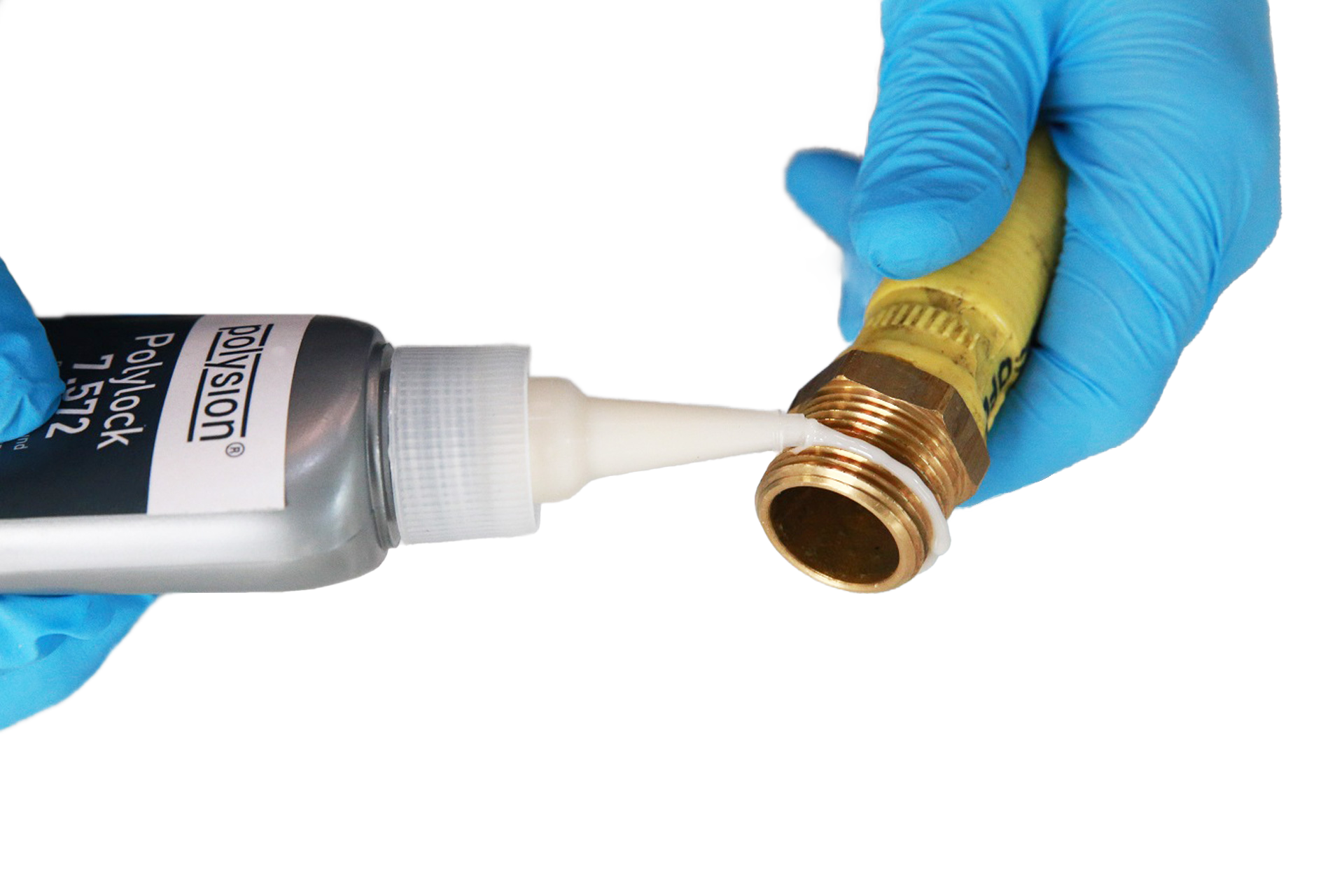
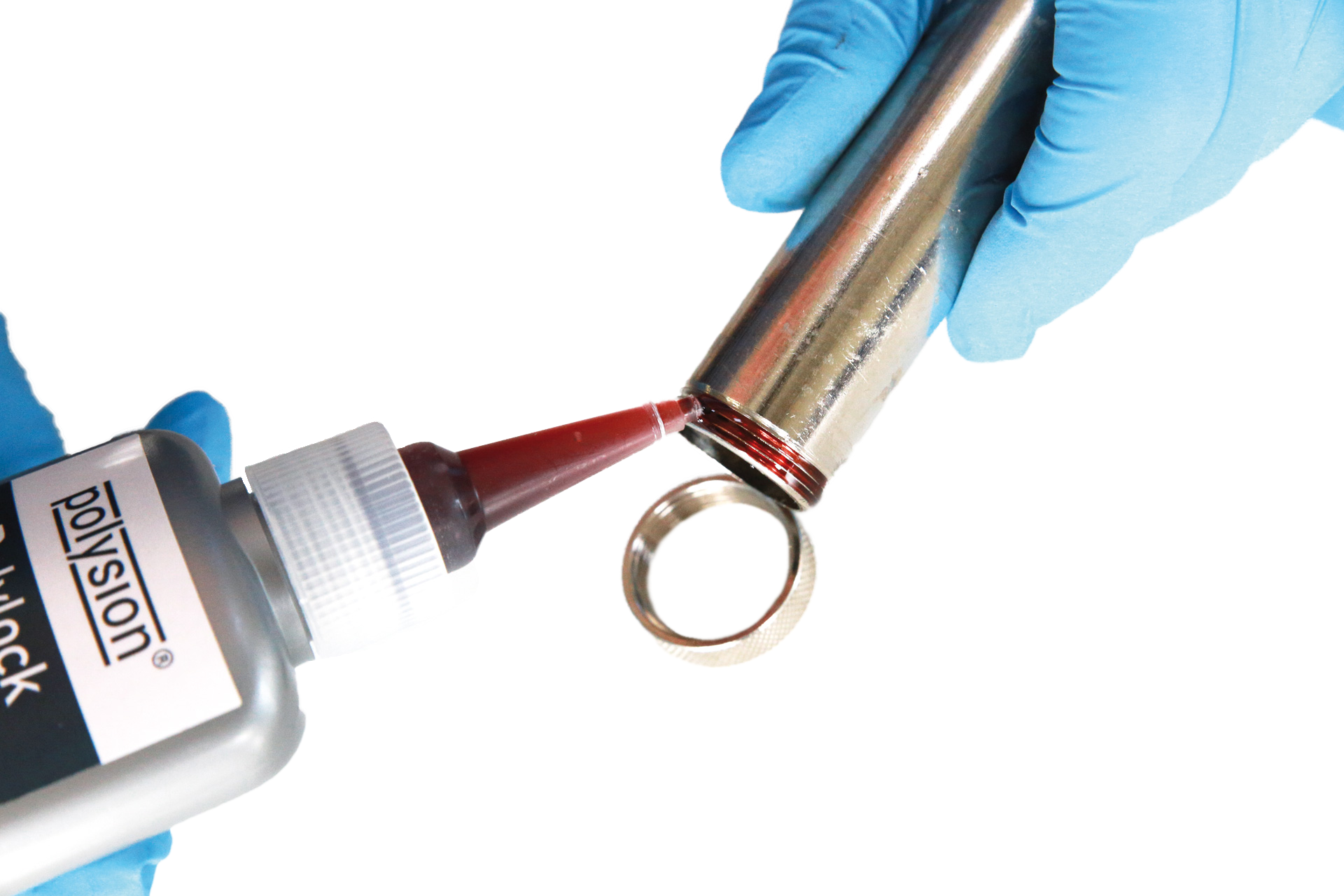
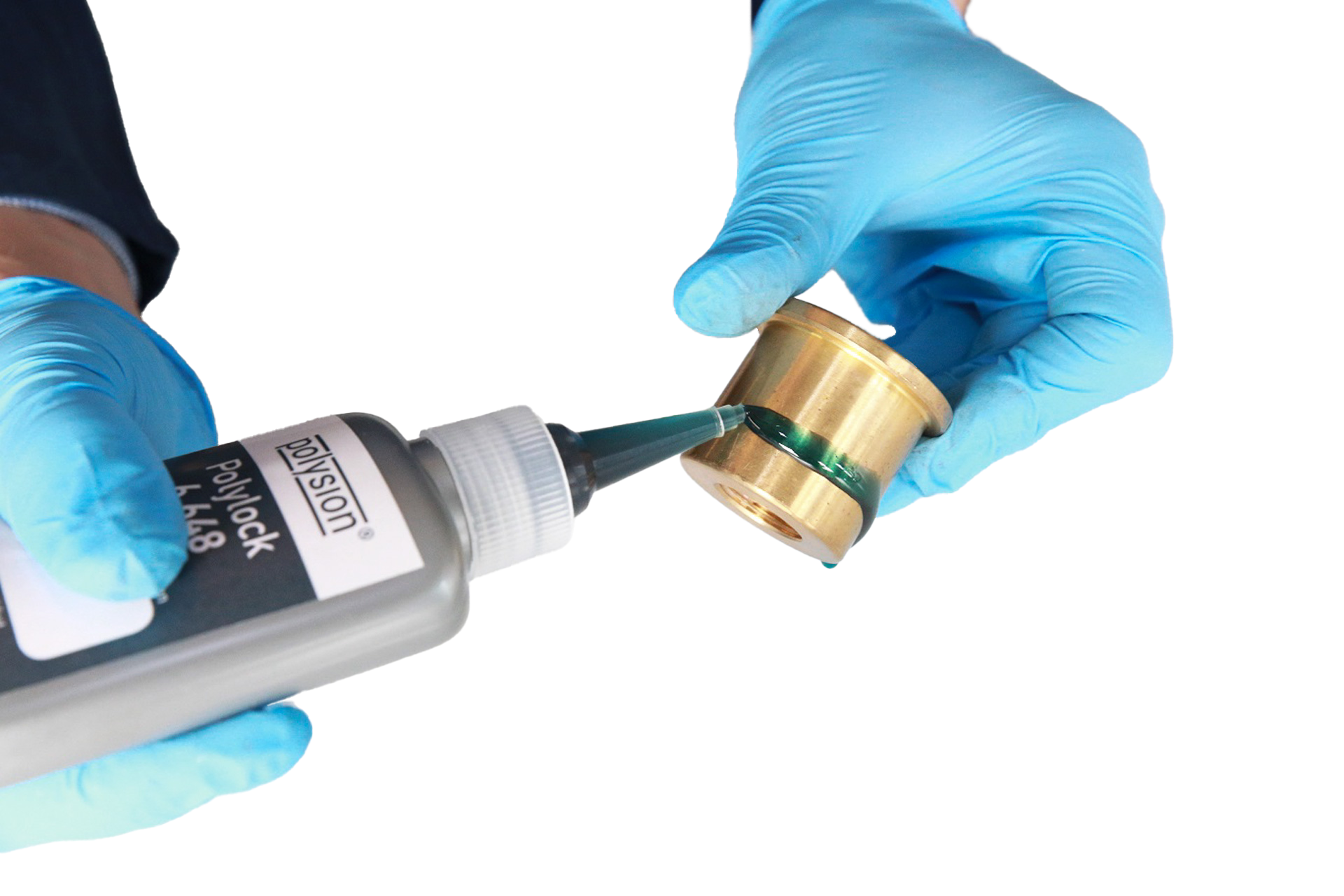
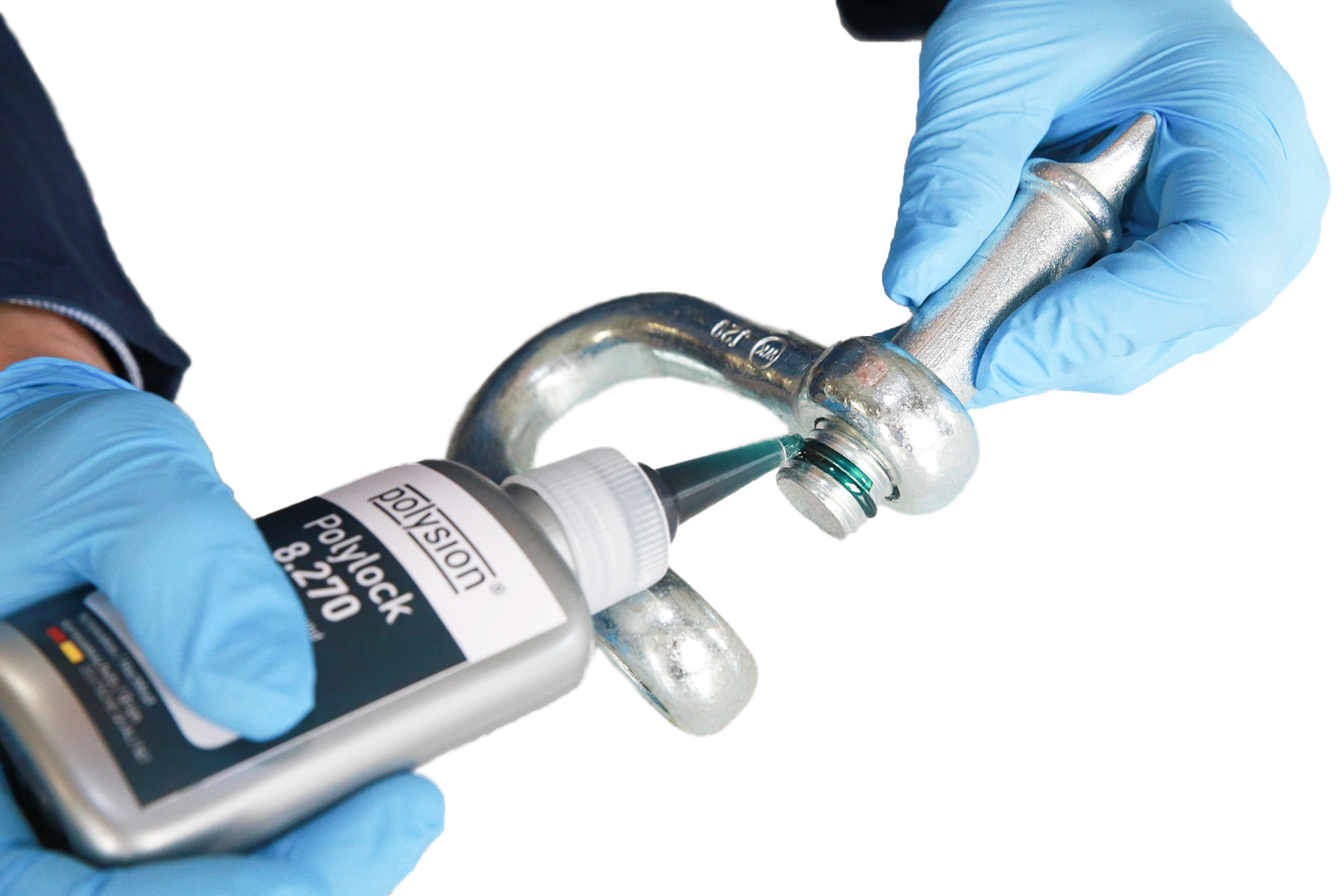
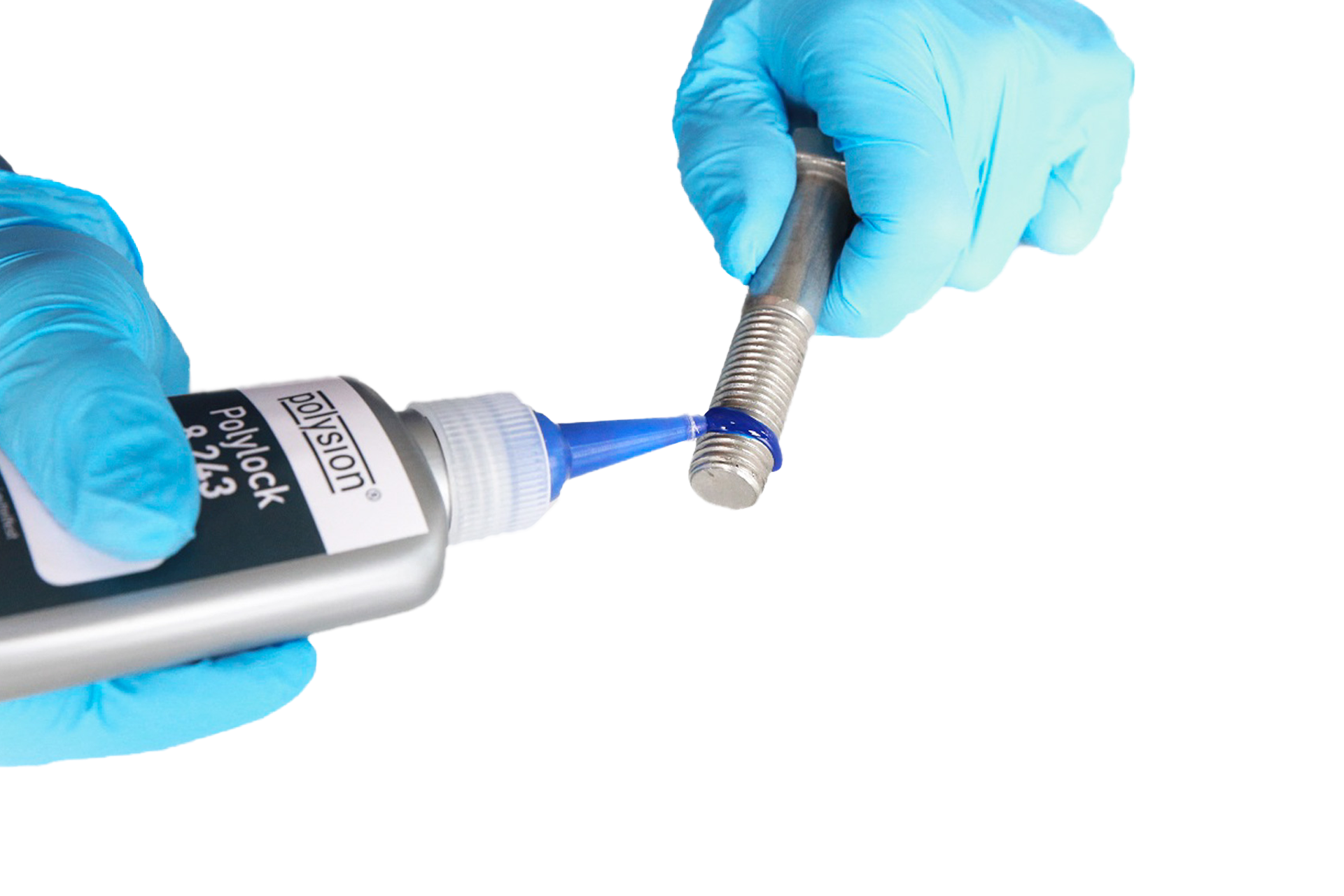
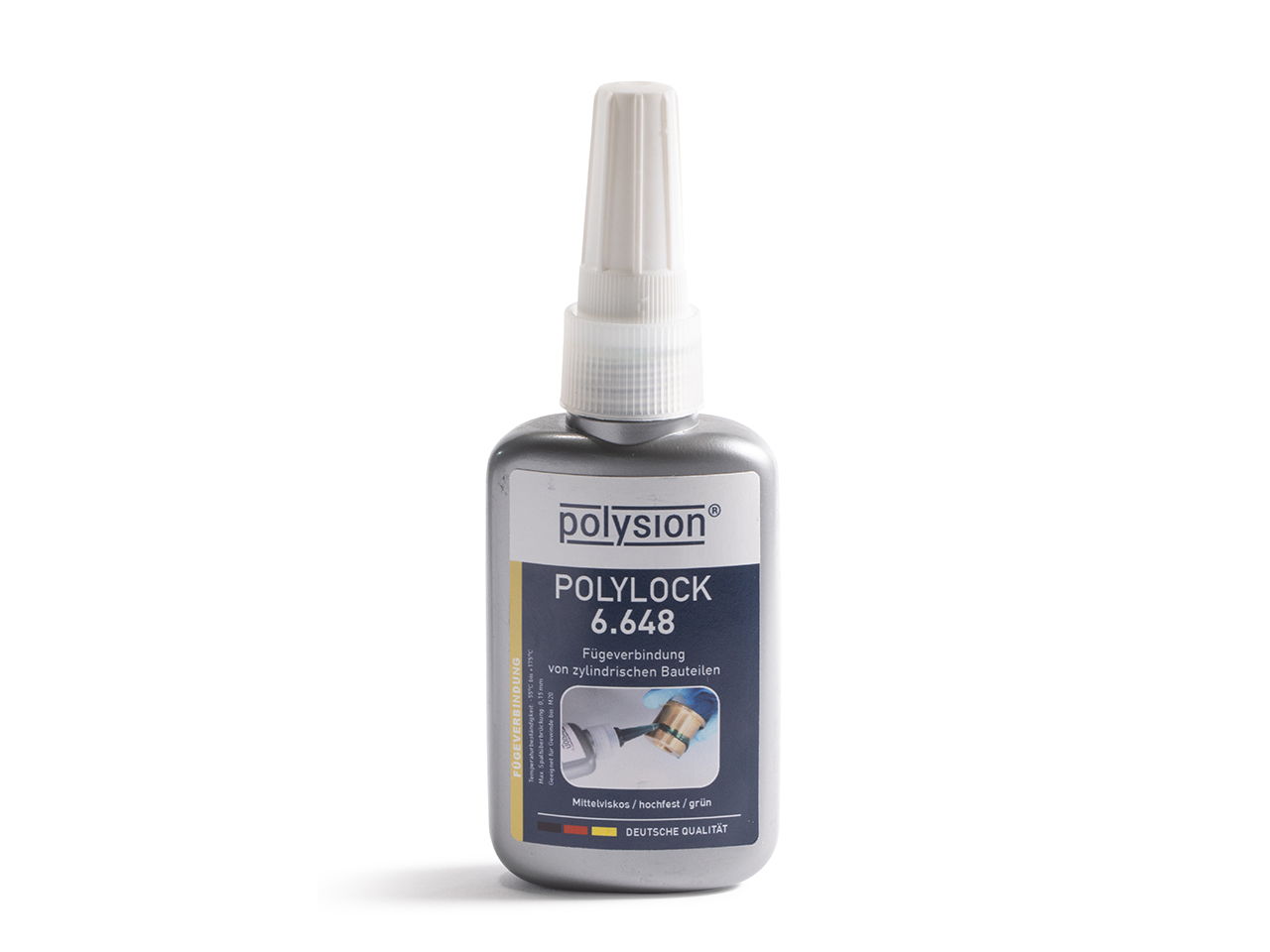
Our state-of-the-art anaerobic adhesives are the ideal solution for securely bonding metal components. They not only offer strong adhesion but also reliably fill in irregularities and gaps, such as threaded connections, completely. A typical application for anaerobic adhesives is thread locking, where they play an indispensable role.
Anaerobic adhesives cure quickly and efficiently once they come into contact with metal and are deprived of oxygen. This property makes them particularly useful for industrial applications where a permanent and durable bond is required.


Price on request
Preparation and Assembly
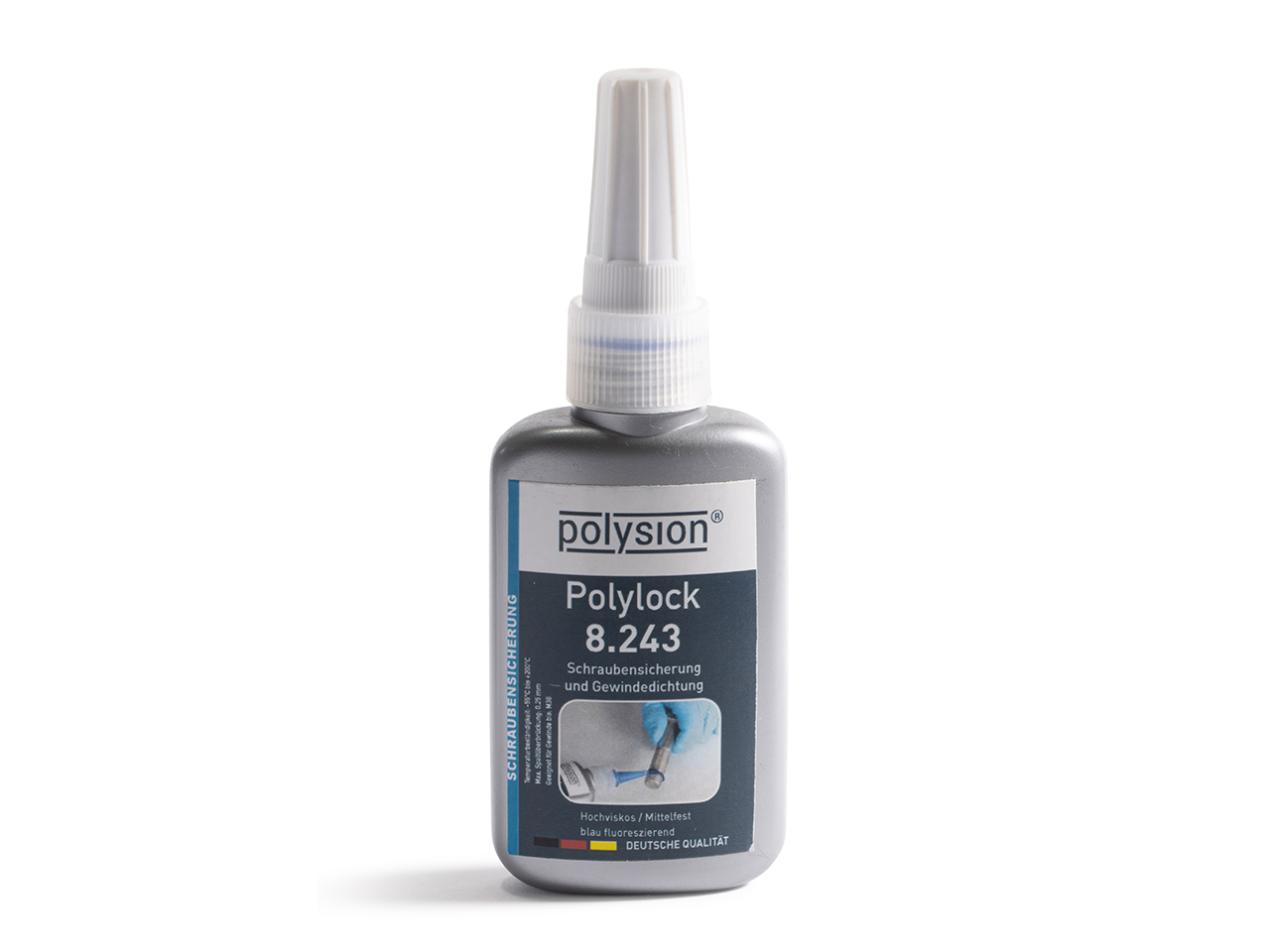
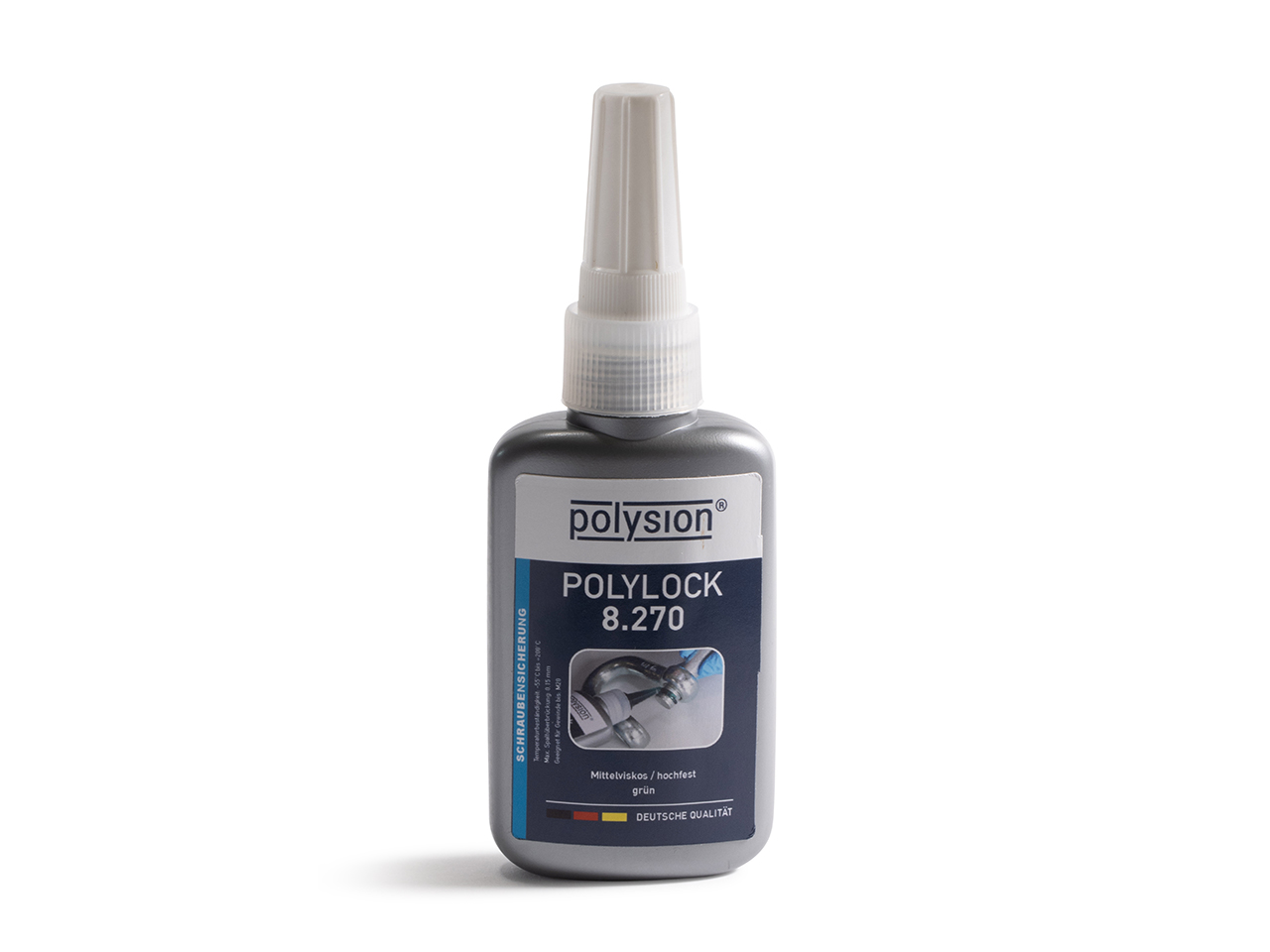
- Clean the surfaces before use with Polysion industrial cleaner to remove oil, grease, and dirt.
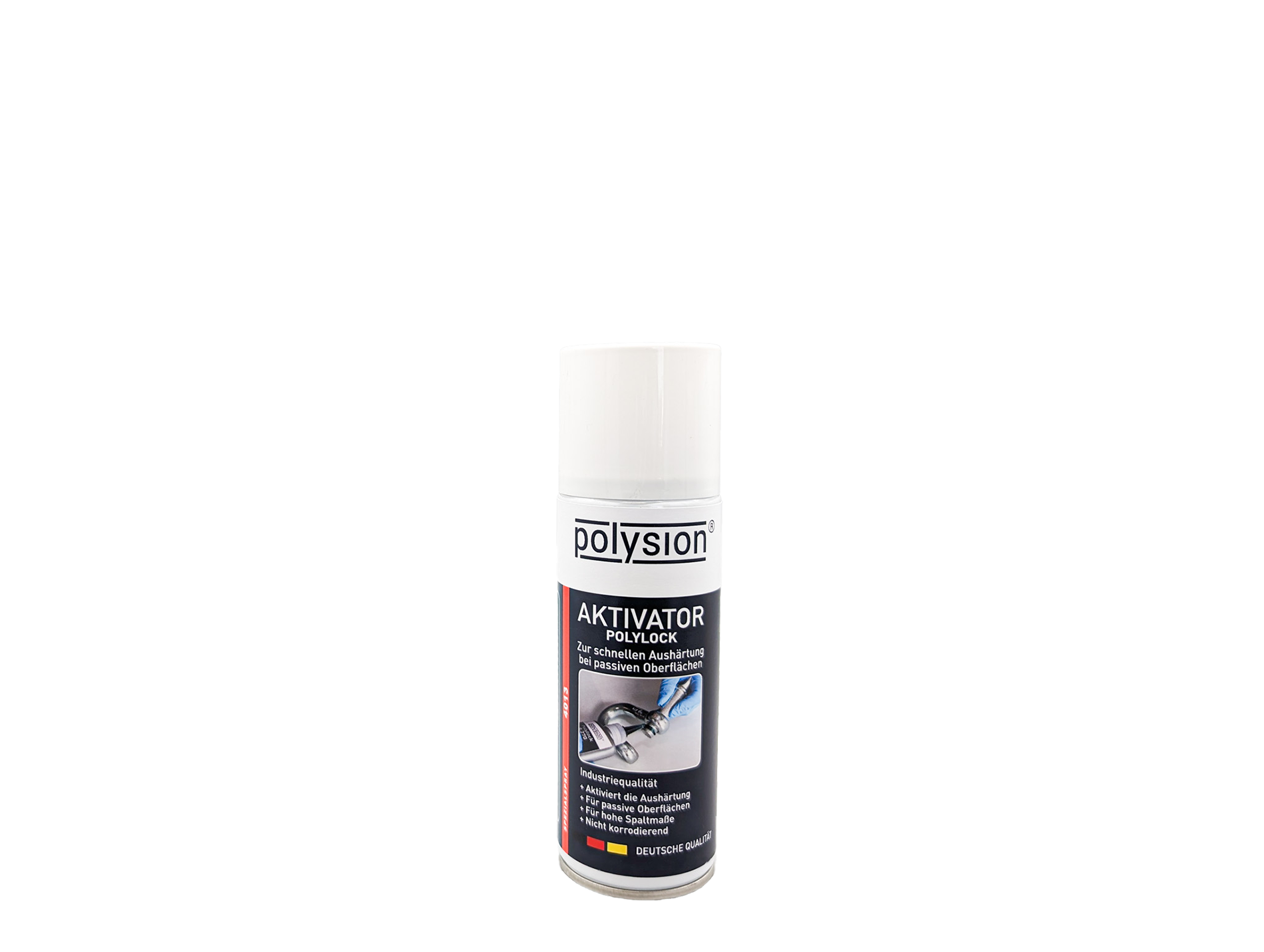
- For passive surfaces, the metal surface can be sprayed with an activator to speed up the curing time.
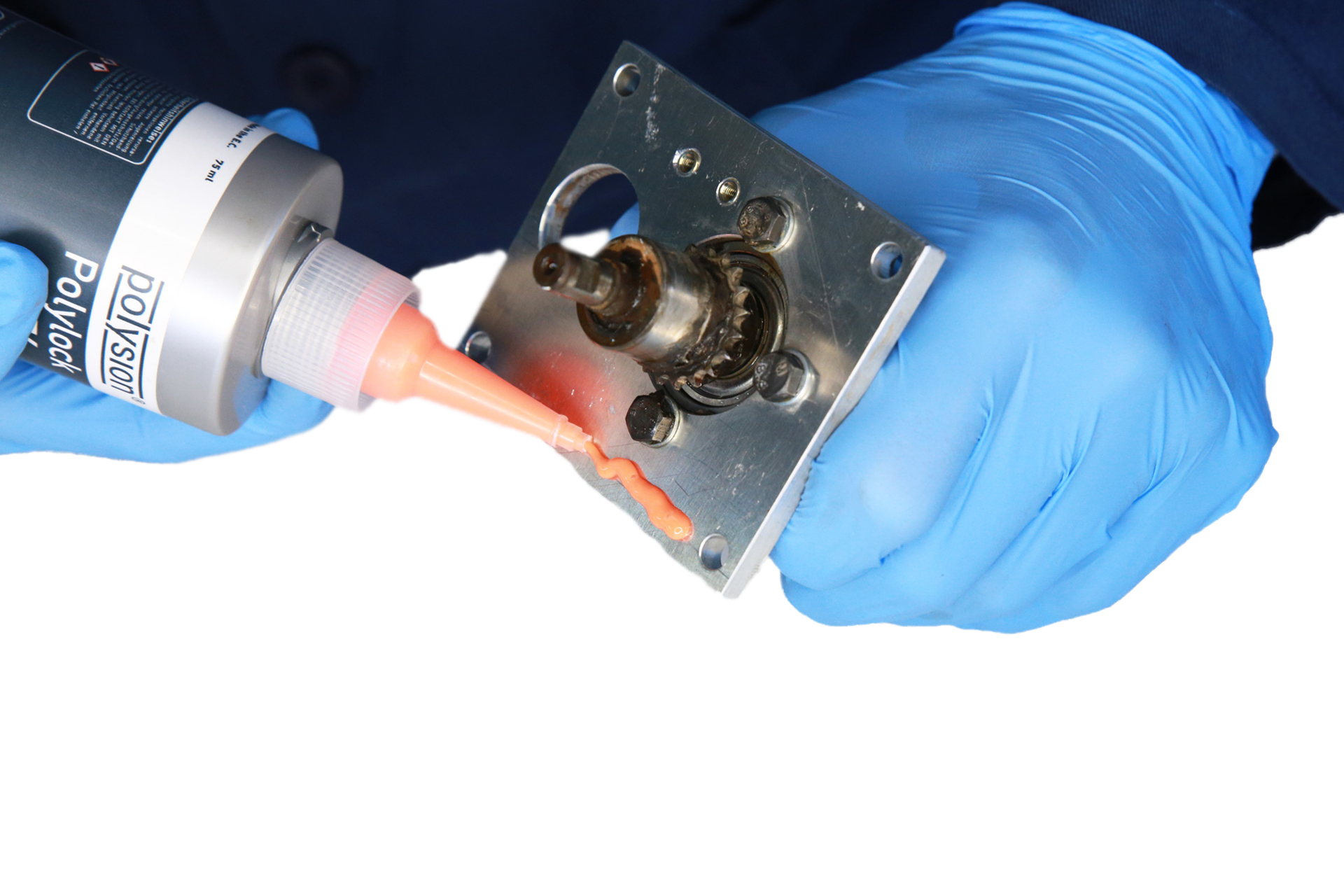
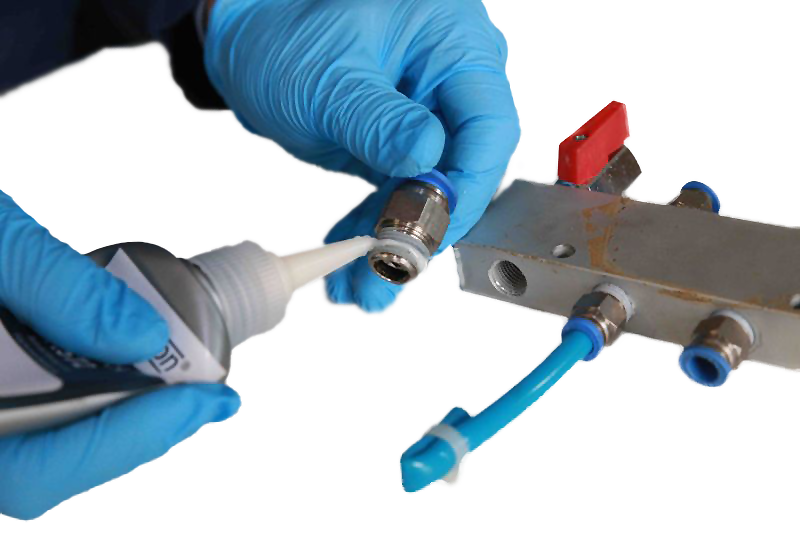
- Apply the adhesive without the dispensing tip coming into direct contact with the metal surface, and close the joint.
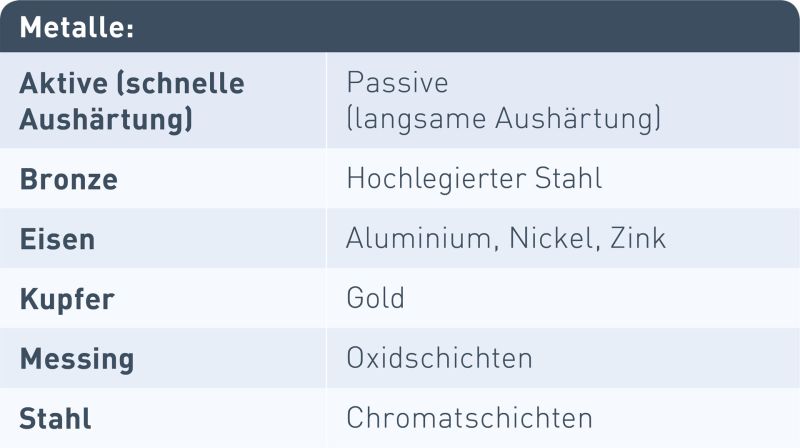
Metals
The more active a metal is, the faster the adhesive can cure. Therefore, for passive metals, we recommend additionally using an activator. This is applied to the bonding surface beforehand.

Viscosity
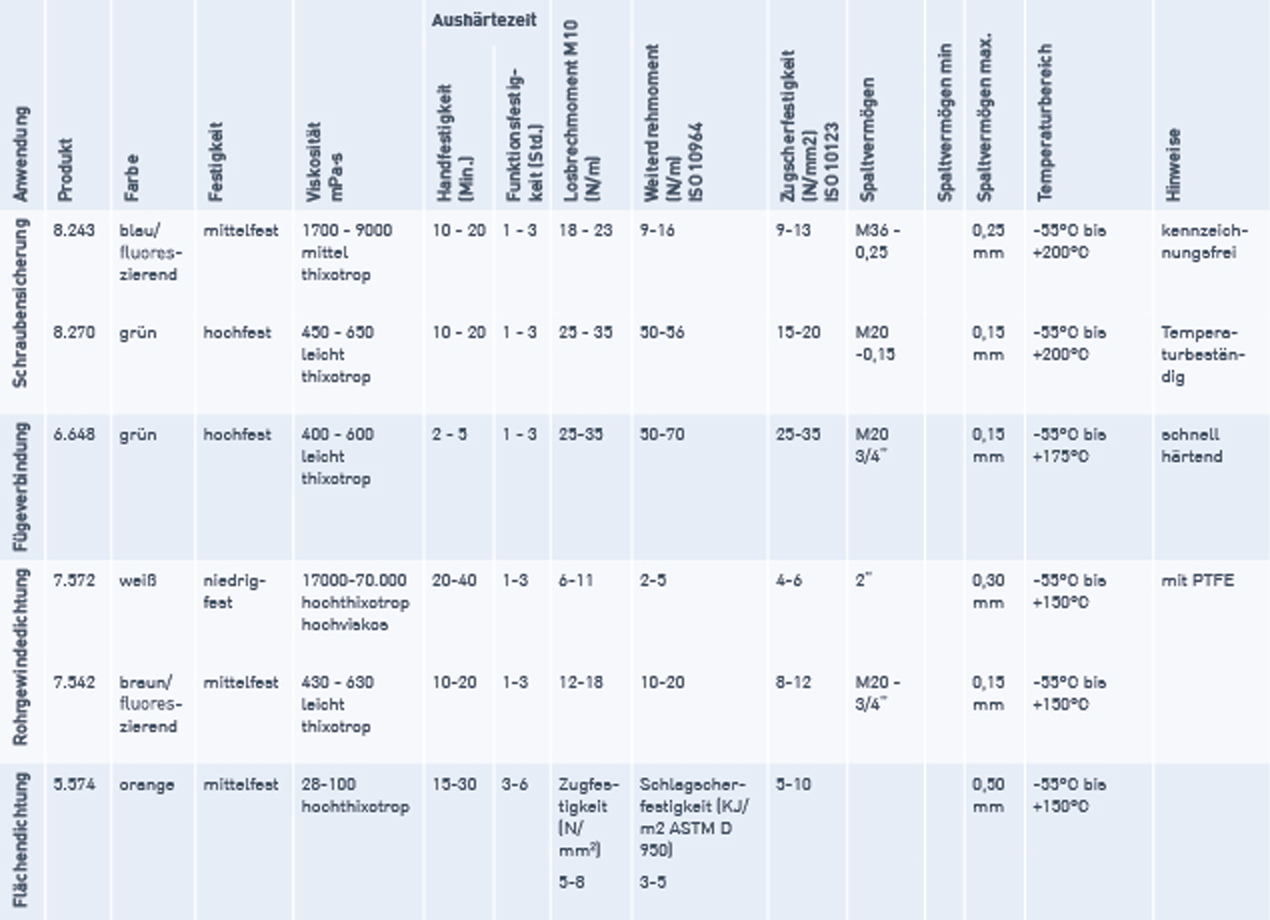
Viscosity is an important factor. If the viscosity is too low, the adhesive can flow out of the application area and will therefore no longer have a securing effect. If the adhesive is too high in viscosity, it cannot completely penetrate the bonding gap. Therefore, selecting the right viscosity for the application is crucial.
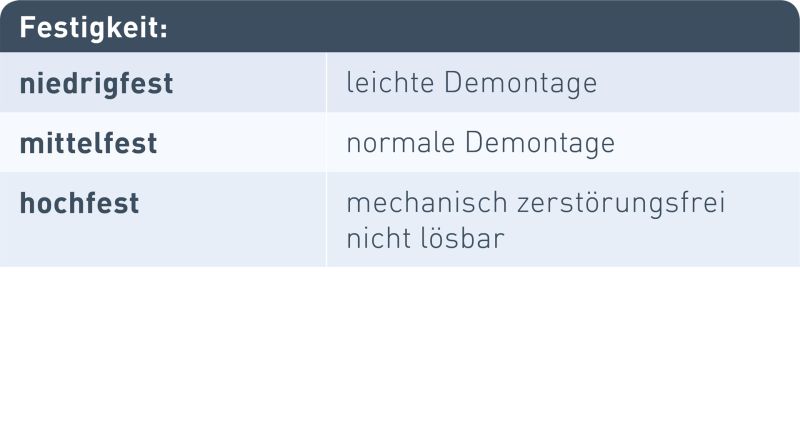
Strength
When selecting the strength, it is important to know in advance whether the secured area needs to be opened regularly for maintenance and servicing. In this case, a low- to medium-strength adhesive is recommended. For permanent and final securing, the high-strength solution is advisable. High-strength bonds can only be loosened using high temperatures and great force.
Informationen zu Anaerobe Klebstoffe
Anaerobe Klebstoffe sind Klebstoffe, die unter Luftabschluss aushärten. Die Aushärtung beginnt, wenn der Klebstoff zwischen eng anliegenden Metallflächen eingeschlossen wird und kein Sauerstoff mehr an die Klebstoffschicht gelangt.
Anaerobe Klebstoffe werden vor allem im Metallbereich eingesetzt. Typische Anwendungen sind Schraubensicherungen, Welle-Nabe-Verbindungen, Gewindedichtungen und Flächendichtungen. Sie helfen dabei, Verbindungen zu sichern, abzudichten oder dauerhaft zu fixieren.
Der Klebstoff bleibt flüssig, solange er Kontakt mit Sauerstoff hat. Wird er zwischen Metallflächen eingeschlossen, startet die Aushärtung. Dabei entsteht eine feste Kunststoffverbindung, die je nach Produkt sichern, dichten oder kleben kann.
Anaerobe Klebstoffe eignen sich hauptsächlich für Metalle wie Stahl, Edelstahl, Aluminium, Messing, Kupfer oder Eisen. Auf Kunststoffen, Glas, Holz oder Keramik härten sie in der Regel nicht zuverlässig aus, da die benötigte Metalloberfläche und der Luftabschluss fehlen.
Das hängt vom Produkt und von der Festigkeitsklasse ab. Niedrig- und mittelfeste anaerobe Klebstoffe lassen sich meist mit normalem Werkzeug lösen. Hochfeste Produkte können eine Erwärmung der Verbindung erfordern, um die Demontage zu erleichtern.
Anaerobe Klebstoffe sollten kühl, trocken und gut verschlossen gelagert werden. Direkte Sonneneinstrahlung, Hitze und Frost sollten vermieden werden. Die Flasche darf nicht mit Metallspänen oder Schmutz verunreinigt werden, da dies die Haltbarkeit beeinträchtigen kann.